
Job application support gives you professional help with your CV, cover letters, and interview preparation so you can present yourself better to employers. You’re qualified, but applications go nowhere, and nobody calls you back.
The problem isn’t usually your experience. Most rejections happen because CVs lack focus, cover letters sound generic, or interview answers miss what employers want to hear. We work with job seekers facing exactly this every day, and the right support improves everything from how quickly they get interviews to how confident they feel.
Thus, in this article, we’ll cover what career coaching includes, how it improves your documents and interview confidence, and why professional advice helps you land roles faster.
Let’s get into it.
What Job Application Support Covers

As we’ve already mentioned, job application support covers CV writing, interview preparation, and improving your online professional presence. These services follow proven frameworks for presenting your qualifications effectively.
Let’s explore what working with career advisers includes:
- CV and Cover Letter Writing: Career coaching includes sessions where professionals help you structure your work history and write cover letters that fit each job. This targeted approach gets you more responses from employers.
- Application Form Reviews: Advisers review application forms to highlight skills and experience that employers want. They also help you emphasise qualifications that move your application forward rather than getting lost in generic descriptions.
- LinkedIn Profile Feedback: You get feedback on your LinkedIn profile so recruiters find you more easily (and they absolutely check these before calling anyone). That’s why a strong profile backs up your CV and makes you visible in recruiter searches.
These elements strengthen how employers see you at every stage. And once you’ve got the basics sorted, improving your CV becomes the priority.
How Career Coaching Improves Your CV Writing
Recruiters spend an average of 7 seconds scanning a CV during their first review, so formatting needs to grab attention immediately. And believe it or not, most people don’t realise their CV formatting is the problem until a coach points it out.
Here’s how career coaches fix the most common CV issues:
Identifying Gaps in Your Qualifications
Coaches identify gaps where qualifications don’t match job requirements clearly. When this happens, they show you how to reframe your experience so employers see what you achieved instead of just listing duties.
Rewriting Work Experience Descriptions
Advisers help you rewrite sections to explain work experience in employer-friendly language. But unfortunately, most people use jargon that doesn’t mean anything outside their current industry.
And so, coaches translate your background into clear descriptions that any hiring manager understands.
Getting Actionable Feedback
Feedback sessions help clients write stronger descriptions of their skills. In practice, you get specific advice on which parts need work and exactly how to improve them.
Your CV indeed shows you’re qualified. But your cover letter shows why you want this specific job.
How Professional Help With Cover Letters Gets More Responses
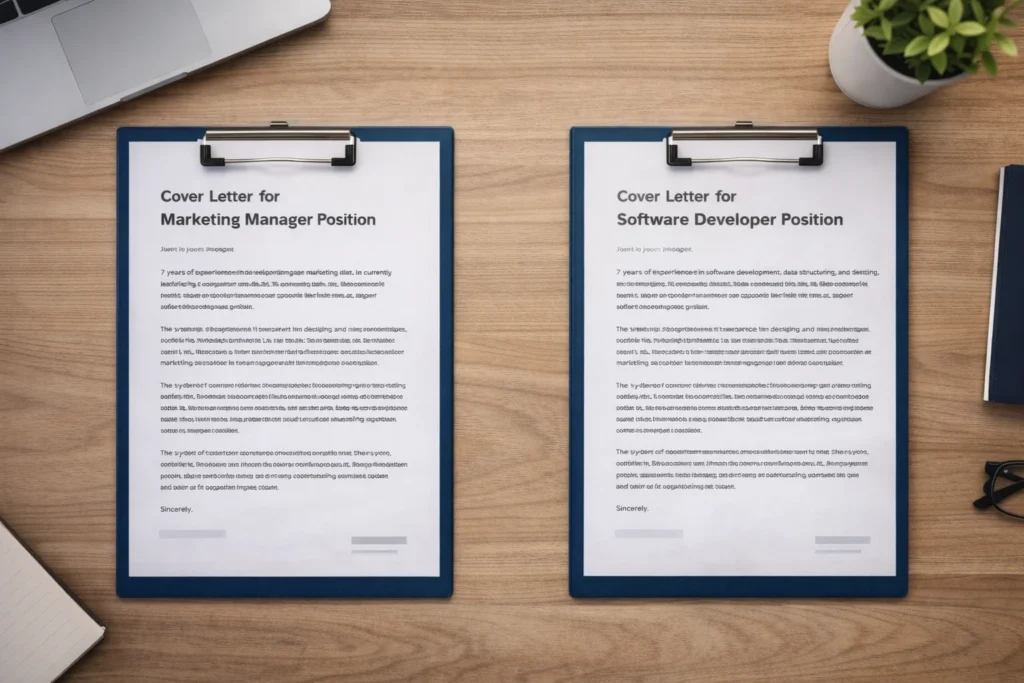
Most cover letters get skimmed in under ten seconds, so yours needs to grab attention fast. To make that happen, advisers customise each letter to match the job description.
What does this customisation mean exactly? Well, it’s basically using the same language the employer used. When you mirror their terminology, hiring managers see you actually read what they need.
The next step is removing vague statements (because generic phrases like “hard worker” mean absolutely nothing). Instead, advisers help you add concrete examples. Rather than claiming you’re “detail-oriented“, you’d write about catching an error that saved your team from missing a deadline.
Writing support also ensures your interests align with what employers seek. When your letter explains why you’d be a good fit for this specific role, it feels personal instead of generic.
With a strong CV and cover letter sorted, interview preparation becomes your next focus.
Building Confidence for Interviews Through
Structured practice builds confidence, so you walk into interviews prepared instead of nervous. What’s more, mock interviews simulate normal questioning patterns employers use, so you know what to expect.
Let me show you what this looks like:
- Simulating Real Conditions: Mock interviews recreate the pressure and timing of actual interviews. During these sessions, you practise answering common questions while someone observes your delivery. This helps you catch nervous habits before they hurt your chances with real employers.
- Getting Feedback on Performance: Coaches provide feedback on body language and how you explain career gaps. From our work with job seekers, people who practise mock interviews at least twice get offers 48% faster. Thankfully, our research into coaching effectiveness confirms this.
- Answering Questions Naturally: Bear in mind, practice builds confidence. With enough practice, you are able to answer questions more naturally and directly. Also, with enough rehearsals, you won’t freeze up or ramble during the actual interview.
Interview practice indeed builds confidence. However, positioning your experience correctly does the same.
Leveraging Work Experience in Job Applications

Say, you’ve volunteered at a community centre for two years. Sounds easy, but you need to explain how that applies to office jobs. Here, the right coach can help you reframe volunteer work as relevant professional experience.
They identify which transferable skills are important to employers (research shows more than half of employers value volunteer experience as much as paid work).
For instance, organising community events demonstrates the project management skills offices need. What coaches do is show you how these same transferable skills apply across different career paths. When you look closer, this administrative work becomes office support experience, and event coordination proves deadline management.
Advisers apply this same thinking to identify which past roles strengthen your applications most. Once your CV, cover letter, and experience are positioned properly, interviews will start pouring in.
How Support Services Help You Find Work Faster
Now, the fastest way to land a job is by focusing your energy on applications with real potential. That’s where free support comes in: it gives you access to networks and openings you’d miss on your own.
Through years of helping clients, we’ve found that structured guidance cuts average job search time from 6 months down to 3. Even government research confirms this.
Besides, services help you target positions where you’re a strong match. Instead of sending generic CVs everywhere, you focus on specific roles, which means more time preparing for interviews.
Equally valuable, team guidance shows you which positions to skip. This saves you from applying where you never stood a chance. And with professional support, your job search becomes more focused.
Your Next Steps in the Job Search
But here’s the thing: reading about support services won’t get you hired. But taking action will. Job applications fail when CVs lack focus and interviews feel like guesswork. The solution? Professional guidance that shows you exactly what employers want to see.
This article covered how career coaching strengthens your CV and cover letters, why interview practice builds confidence, and how advisers help you understand the job market. We’ve also shown you how to position your work experience properly so employers see your potential.
The Edvantage provides comprehensive career support to prepare professional documents and secure interviews. Our team guides you through every step needed to land the role you’re working towards. Take the first step now.